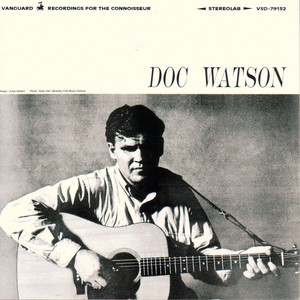
“Nashville Blues” is associated with Doc Watson’s 1964 Vanguard recordings made during his early-career emergence as the central figure of the southern Appalachian revival. Watson, then in his early forties and already a deeply schooled flatpicker and traditional singer, was making his first major recordings after the 1962–1963 sessions with Clarence Ashley, Fred Price, and Clint Howard had introduced him to a folk-revival audience.
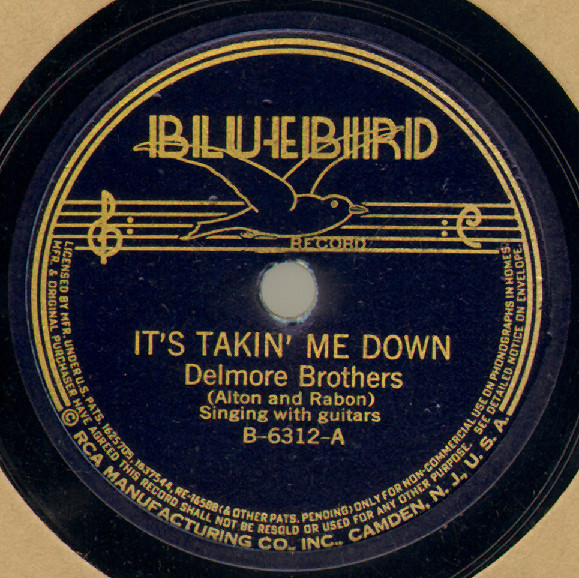
The song was written by Rabon and Alton Delmore, the Alabama-born brothers whose 1930s and 1940s work for Bluebird and King helped define the close-harmony country style that fed directly into early bluegrass. The song’s lyrical and structural shape is in the older country-blues tradition: a narrator wandering through Nashville, looking for work and a way out of homesickness, the city’s lights and noise underlining rather than relieving his loneliness. The harmonic shape is open and modal, and Watson’s flatpicked guitar carries the recording’s instrumental energy alongside his understated lead vocal.
The recording belongs to Watson’s foundational early-Vanguard period when he was establishing the flatpicking-and-vocal aesthetic that would define him for the next half-century. The song works as a moderate-tempo vocal piece with a strong instrumental break and remains a useful reference point for younger flatpickers studying the Watson approach. Its place in his repertoire connects directly to the broader 1960s revival’s interest in the older Anglo-American song tradition.