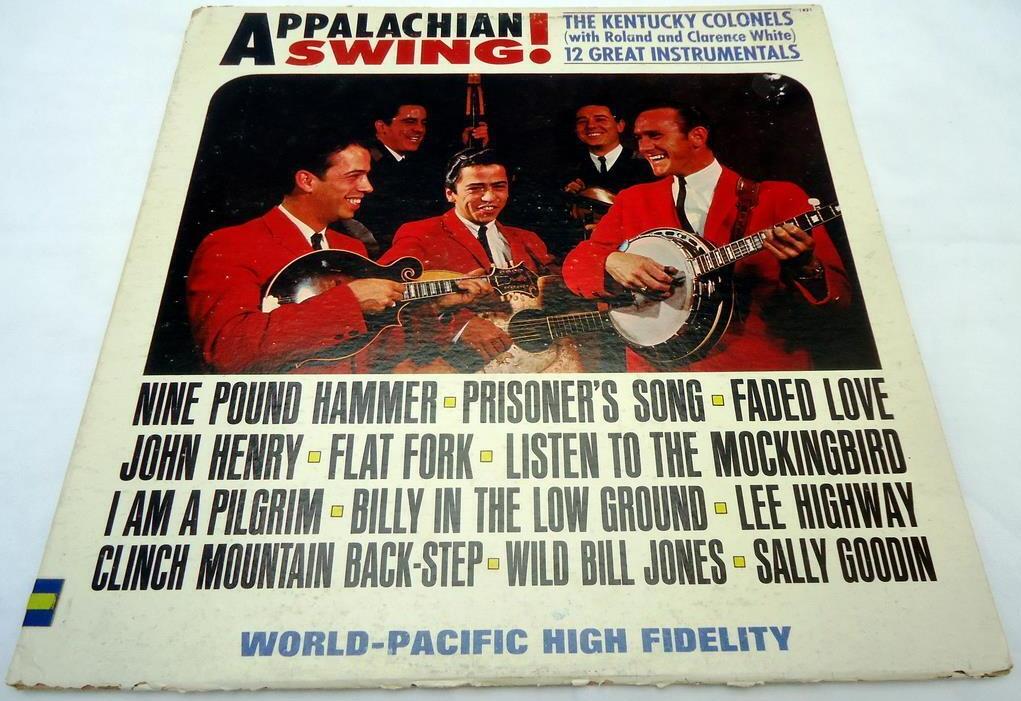
“The Prisoner’s Song” was copyrighted in 1924 by Vernon Dalhart in the name of his cousin Guy Massey, who had sung it while staying at Dalhart’s home and had learned it from his brother Robert, who may have heard it while serving time in prison. Dalhart recorded it for Victor in New York on 13 August 1924, with Carson Robison on guitar and Lou Raderman, a Victor violinist, on viola. It was issued as Victor 19427, coupled with “The Wreck of the Old 97.” According to Dalhart’s biographer Jack Palmer, as summarized on Wikipedia, Dalhart kept 95 percent of the author royalties and gave Massey 5 percent; he also told varying stories about the song’s origin, sometimes saying he had rewritten what Massey gave him, and at times others credited Guy or Robert Massey with writing it.
Victor’s pressing figures show a little over 1.3 million copies of the record in its peak years, though a 1940s promotional flyer claimed sales as high as seven million. The song’s publisher, Shapiro, Bernstein & Co., reportedly sold more than a million copies of the sheet music. Nathaniel Shilkret, the Victor executive who had asked Dalhart for a song to go with “Wreck of the Old 97,” later claimed that the music Dalhart brought him was unusable and that he had rewritten it, and the Shilkret family fought unsuccessfully through the 1950s for author credit.
The words are those of a prisoner who wishes he could fly over the walls to his sweetheart, asks her to meet him in the moonlight, and says he would sell a ship laden with silver and gold before letting her suffer; he ends by saying he is tired of living alone.
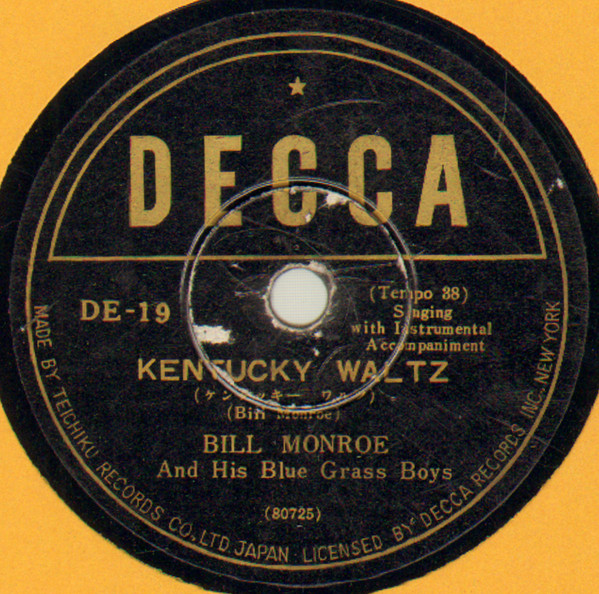
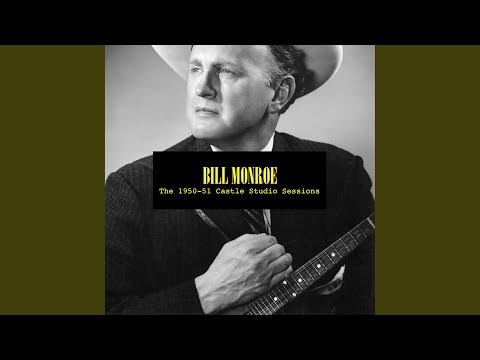
Bill Monroe recorded it for Decca on 17 March 1951 at Castle Studio in the Tulane Hotel in Nashville, singing lead and playing mandolin, with Grady Martin on electric guitar, Jimmy Selph on guitar, Tommy Jackson on fiddle, Ernie Newton on bass, Farris Coursey on drums and Owen Bradley on keyboards. Decca issued it in April 1951 as the other side of “Kentucky Waltz.” Wikipedia lists Hank Snow, Brenda Lee and Sonny James among the others who later recorded it.