“This Train,” also known as “This Train Is Bound for Glory,” is a traditional African American gospel song of unknown origin. The earliest recording known is by the Florida Normal and Industrial Institute Quartette in 1922, under the title “Dis Train.” Wood’s Blind Jubilee Singers recorded it as “This Train Is Bound for Glory” in August 1925, and three other black religious groups recorded it between 1926 and 1931. John A. Lomax and his son Alan collected it in the field, from the inmate Walter McDonald at Parchman Farm in Mississippi in 1933, and the song appeared in print for the first time in the Lomaxes’ anthology the next year.
In 1935 the Tennessee Ramblers made what is described as the first hillbilly recording of it, titled “Dis Train.” In the late 1930s Sister Rosetta Tharpe recorded it for Decca and had a gospel hit; in the early 1950s she recorded it again on electric guitar. Woody Guthrie took the title of his autobiographical novel Bound for Glory from the song.
The lyric is a list of who can and cannot board. The train is bound for glory, and anyone who rides it must be holy. It carries no gamblers or crapshooters, no midnight ramblers, no rustlers, side-street walkers or hustlers. Another verse says the train is neither white nor black and that everyone riding it is treated alike, and the last verse says that as long as the singer is aboard, he is not worried.
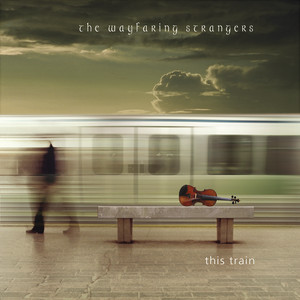
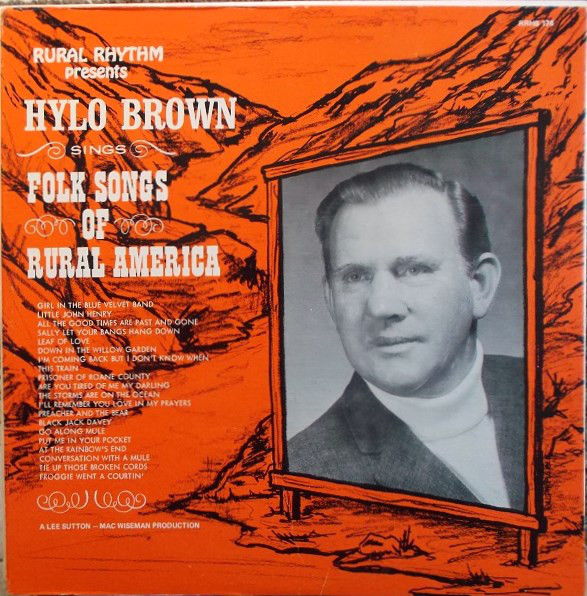
Country and bluegrass singers took it up from the 1960s. Wilma Lee Cooper sang it for Hickory in March 1964 (released as a single that December), Hylo Brown included it on his 1967 Rural Rhythm LP Hylo Brown Sings Folk Songs of Rural America, and in 2003 a group of acoustic and old-time players that included Tony Trischka, Bruce Molsky, Darol Anger and Jay Ungar, with Aoife O’Donovan singing, opened the Rounder album This Train with it.