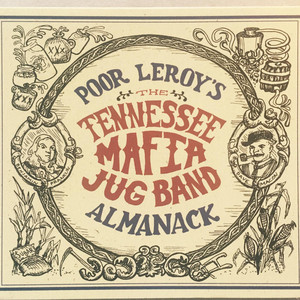
“Whoa Mule” is an old-time breakdown that is also sung, found across the upper South and beyond: the Fiddler’s Companion lists it from Missouri, Oklahoma, Georgia, southwestern Virginia and western North Carolina, and describes it as a characteristic string-band piece in Patrick County, Virginia, and Surry County, North Carolina. An instrumental version goes by “Kicking Mule,” a tune known in southeastern Tennessee that may be the same as “Bucking Mule.”
It reached records early. In August 1924, in Atlanta, the fourteen-year-old Roba Stanley sang it for OKeh as a duet with her father, Rob Stanley, who had won the Georgia state fiddling championship in 1920; she is often counted as the first woman to record as a country singer. The Hill Billies recorded “Whoa! Mule” in New York on 15 January 1925, with Tony Alderman on fiddle, Al Hopkins singing and playing piano, Joe Hopkins on guitar and John Rector on banjo, and OKeh issued it backed with “Old Joe Clark” (OKeh 40376); the band cut it again for Brunswick on 13 May 1927. Gid Tanner and His Skillet Lickers recorded it for Bluebird in 1934, and it was in the repertoire of Phil Reeve of the Georgia Yellow Hammers.
The words vary from singer to singer, held together by the chorus calling on the mule to whoa. In one widely sung form, the singer has no time to kiss his girl because the mule has run off and he is busy with it; he tells Miss Mary to keep her seat; he would sew his sweetheart to his shirt if he had a fine enough needle and thread; the hardest work he ever did was digging around a pine, the easiest was loving his girl; and he ends by tying a knot in the mule’s tail. A Missouri version collected from Vee Latty puts Miss Liza in a sleigh, and Roba Stanley’s 1924 text has a spoken invitation to Jane to go for a ride behind the mule.
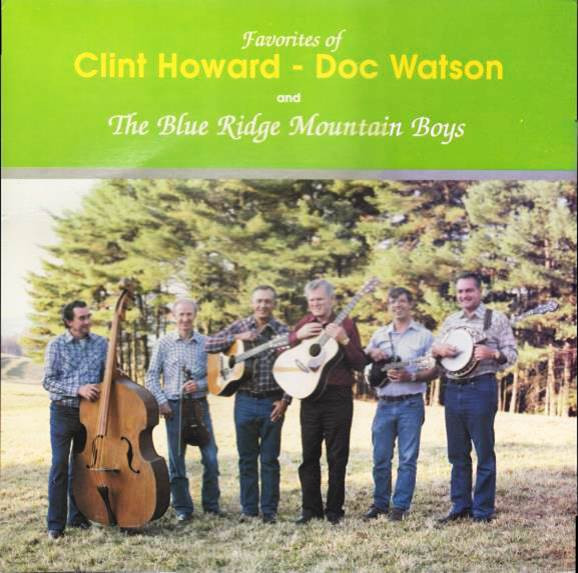
Bluegrass musicians recorded it from the early 1960s on. Raymond Fairchild recorded “Whoa, Mule, Whoa” on America’s Most Authentic Folk Banjo in 1961; Walter Forbes opened his 1962 RCA Victor album Ballads & Bluegrass with it; the Lonesome River Boys included it on Raise a Ruckus (Riverside, 1963); and Clint Howard, Fred Price and their sons put it on The Ballad of Finley Preston (Rounder, 1972).