“California Cotton Fields” was written by Dallas Frazier and Earl Montgomery and draws directly from Frazier’s own family history. Frazier’s father moved the family from Oklahoma to California’s San Joaquin Valley in 1946, part of the same broad Okie diaspora that Steinbeck had documented in The Grapes of Wrath a decade earlier. The song’s narrator carries the memory of that displacement — the disillusionment of arriving at a promised land and finding hard labor in the cotton fields instead — as the defining wound of a childhood.
What made the Haggard version definitive was its biographical doubling: Haggard’s own family were Okie migrants who had relocated to Bakersfield in the same post-war wave, and Haggard had grown up there picking cotton himself as a teenager. When he sang the line about California cotton fields not being what they’d hoped for, he was singing Frazier’s lyric and his own autobiography simultaneously. Frazier had already released his own recording, but Haggard’s resonance with the material was total.
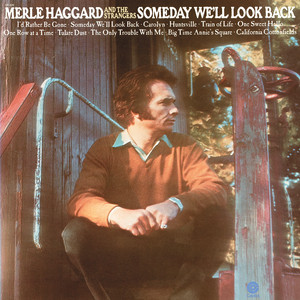
A notable version was recorded for Someday We’ll Look Back (Capitol, 1971), backed by the Strangers and produced by Ken Nelson. The album appeared during Haggard’s most commercially productive period; “California Cotton Fields” is among the tracks that carry the most personal resonance in his catalog — the working-class migration story told by someone who lived it.