“John Hardy” (sometimes “Old John Hardy”) is a traditional American folk song based on the actual life and death of John Hardy, a Black railroad worker in McDowell County, West Virginia who was hanged on January 19, 1894 for the murder of Thomas Drews. According to historical accounts, Hardy killed Drews during a craps-game dispute near Keystone, West Virginia in 1893; some 3,000 people are said to have attended the public hanging.
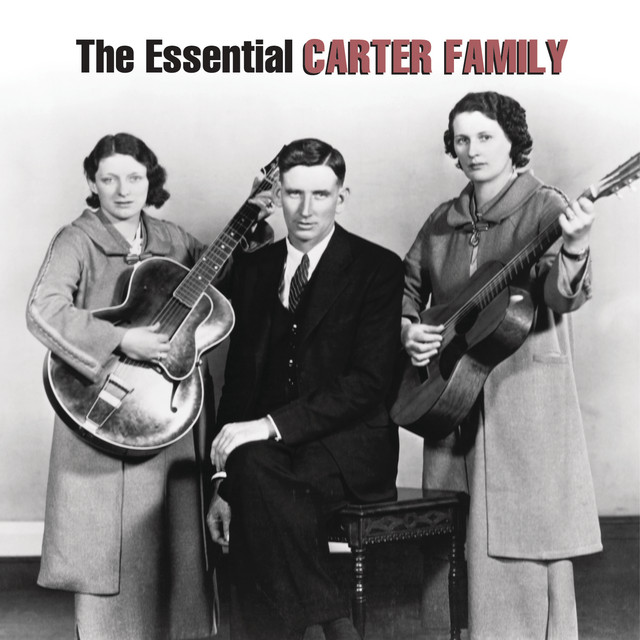
The ballad spread quickly beyond McDowell County. Less than two decades after Hardy’s death, published variants had appeared in North Carolina, Kentucky, and elsewhere in West Virginia. Eva Davis cut the earliest known commercial recording for Columbia in 1924; Ernest Stoneman recorded it for OKeh in 1925, Buell Kazee for Brunswick in 1927, and the Carter Family in 1928. Lead Belly performed it widely in the 1940s and likely learned it from the Carter Family record.
Early folk historians frequently confused John Hardy with John Henry, the steel-driving man of the more famous ballad — in part because both were Black men whose stories travelled through similar regional channels. Tony Rice’s 1984 reading on Cold on the Shoulder is the bluegrass-canonical recording, with Rice’s flatpicked guitar and harmonically open arrangement reframing the murder ballad for a modern bluegrass audience.