“New River Train” is built on a string of verses in which the singer tells his sweetheart that she can’t love one, or two, or three and stay true, set against a chorus about riding the new river train that carried him in and will carry him away again. The same verses are sung without the train chorus under titles like “Honey Babe.” The Ballad Index notes that no railroad line seems to have carried the name; several railroads had track in the New River area of southwestern Virginia and would presumably have been called that informally, and the earliest recordings were by residents of that part of Virginia. The Ballad Index also passes on Fields Ward’s statement that the song was learned around 1895.
Henry Whitter, born near Fries, Virginia, made the first recording known to the Ballad Index: “The New River Train” was recorded on 25 February 1924 and issued that August on OKeh 40143. Kelly Harrell recorded it for Victor in 1925 (Victor 19596) and again in 1926 (Victor 20171), and Sid Harkreader made a version for Vocalion in 1925. Vernon Dalhart’s versions for Columbia and Herwin were similar to Harrell’s, according to the Ballad Index’s notes. Ernest Stoneman, Willie Stoneman and the Sweet Brothers recorded it for Gennett in 1929.
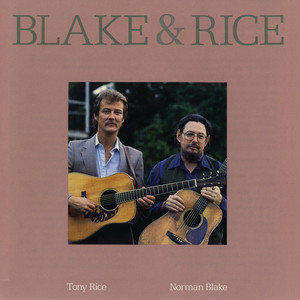
Charlie and Bill Monroe recorded it as the Monroe Brothers at the Southern Radio Corporation building in Charlotte, North Carolina, on 17 February 1936, with Charlie singing lead, Bill the tenor part, and the two on guitar and mandolin; Bluebird issued it as the B-side of “Little Red Shoes” (B-6645) in November 1936. Later bluegrass-circle versions include the Kentucky Colonels’ track with Clarence and Roland White, issued on a 1976 Rounder LP of their 1965–1967 recordings; Norman Blake and Tony Rice’s duet on Blake & Rice (Aural Tradition, 1987), recorded at Bias Recording Studios in Springfield, Virginia; and a guitar-and-mandolin version by Del McCoury and David Grisman on Del & Dawg Live! (2016).