“The Roving Gambler” (also “The Gambling Man”) is a traditional American song, listed as Laws H4 and Roud 498. Its author is unknown, and the Traditional Ballad Index gives 1915, from Frank C. Brown’s North Carolina collection, as the earliest date for a collected text. In 1917 Cecil Sharp heard a version from two women in Pineville, Kentucky, and Carl Sandburg, who printed it in The American Songbag, described it as a song with English broadside roots, from “The Journeyman” or “The Roving Journeyman.” The Ballad Index relates its story to the song “True-Born Irish Man.”
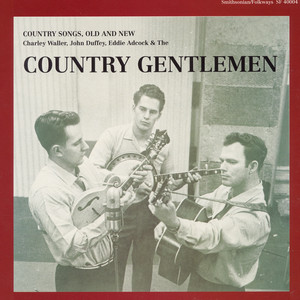
The Ballad Index summarizes the song as a man who freely admits his addiction to gambling, cards and a roving life, and who meets a pretty girl in one town who takes him home and then decides to follow him wherever he goes. In the text sung by the Country Gentlemen the story goes further: she leaves her mother for him, he later sees an opponent dealing from the bottom of the deck in a poker game and shoots him, and the song ends with the gambler in prison.
Records of it begin in the 1920s. SecondHandSongs dates Samantha Bumgarner’s “The Gamblin’ Man” to 23 April 1924. In 1925 it was recorded by Kelly Harrell (Victor 19596; recorded 7 January, issued 27 March), by Vernon Dalhart (issued under several names, including Al Craver on Columbia 15034) and by George Reneau (Vocalion 15148). Gid Tanner and His Skillet Lickers recorded it for Columbia in 1929.
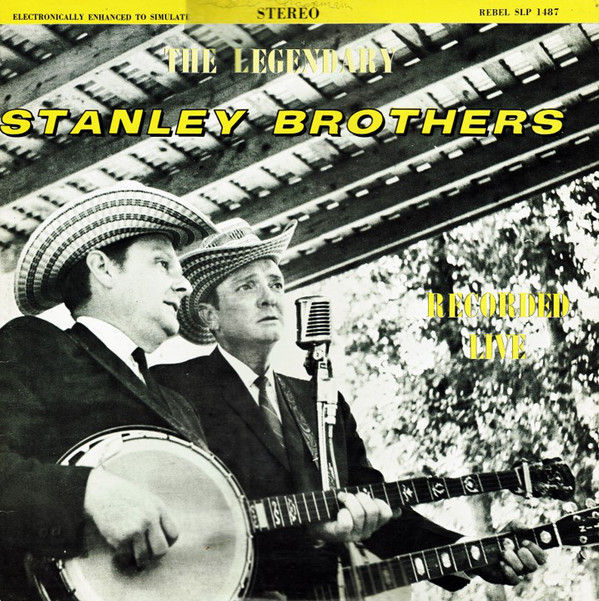
The Stanley Brothers and the Clinch Mountain Boys played it at Shipp’s Park in Morrisville, Virginia, on 8 July 1956, a recording issued in 1970 on Rebel. The Country Gentlemen recorded it in March 1960 at Capitol Transcriptions in Washington, D.C., with the arrangement credited to John Duffey, for their Folkways album Country Songs, Old and New.