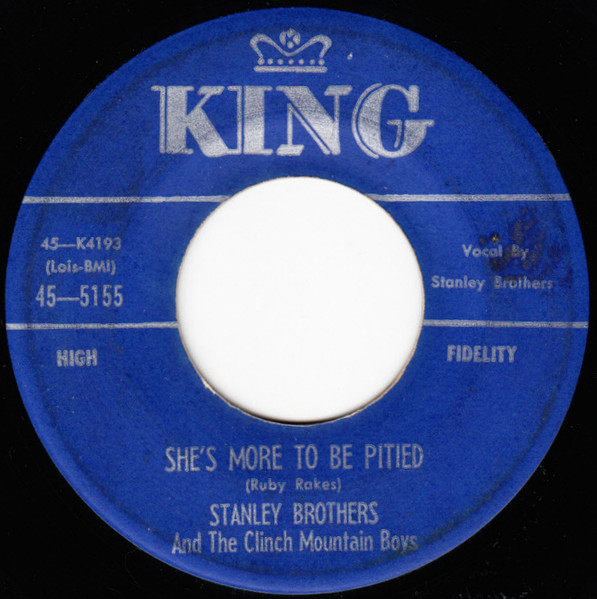
The Stanley Brothers and the Clinch Mountain Boys recorded “She’s More to Be Pitied” at King’s studio in Cincinnati on 30 September 1958, at the sessions that produced their first King album. Carter Stanley sang lead and played guitar, and Ralph Stanley sang tenor and played banjo, with Bill Napier on mandolin, Ralph Mayo on fiddle and Al Elliott on bass. King released it as a single on 3 November 1958 (45-5155), backed with the banjo instrumental “Train 45.” It also appeared on the LP The Stanley Brothers and the Clinch Mountain Boys (King 615) in March 1959.
The label credited the song to Ruby Rakes. She was the brothers’ half-sister, and many of the Stanleys’ own songs were credited to her; the writer was most likely Carter Stanley. The title echoes “She Is More to Be Pitied Than Censured,” a popular song of the 1890s by William B. Gray.
The song describes a woman who sits at the bar every night with her face made up, her looks gone early from fast living. The chorus asks that she be pitied and loved rather than scolded or despised, and blames the drink, the good times and the pull of the honky-tonk. The last verse remembers that she was once the most admired girl at the dances and would have made someone a good wife, before parties and bad company ruined her.
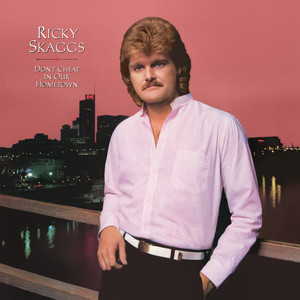
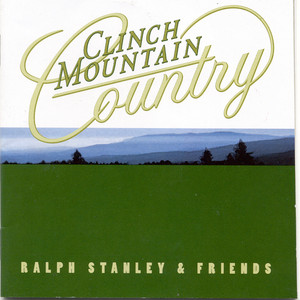
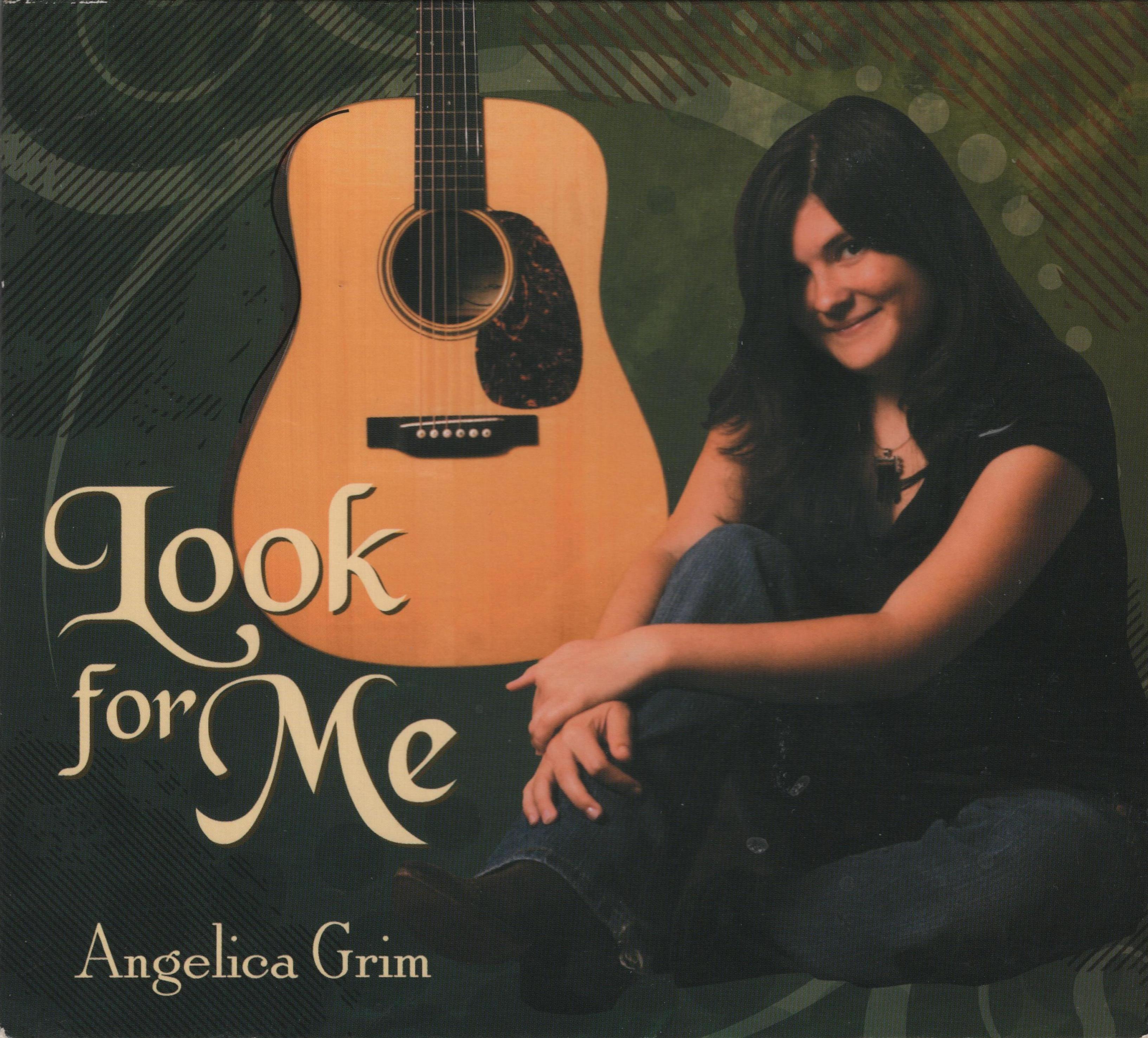
Dry Branch Fire Squad recorded it for Born to Be Lonesome (Rounder, 1979). Ricky Skaggs put it on Don’t Cheat in Our Hometown (Epic/Sugar Hill, 1983), an album that reached No. 1 on Billboard’s country albums chart. Ralph Stanley came back to it in a 1989 Rebel album with Raymond Fairchild and again on Clinch Mountain Country (Rebel, 1998), where Marty Stuart sang lead over Stanley’s tenor. Other versions include the Seldom Scene’s on Like We Used to Be (Sugar Hill, 1994), Lou Reid & Carolina’s on My Own Set of Rules (Rural Rhythm, 2009) and Angelica Grim’s on Look for Me (Patuxent, 2009).