“Steel Rails” is by Louisa Branscomb, a songwriter and banjo player who grew up in Birmingham, Alabama, and spent childhood nights on the L&N train to Nashville, visiting her grandparents. She wrote it at about 21, from what she has described as the feeling of letting time carry you forward and the image of the tracks going round the bend. By her account, Mel Tillis heard it on a cassette, invited her to Nashville and recorded it without releasing it, and also pitched it to Johnny Cash.
The lyric belongs to a lone traveller. The singer rides out at dawn, watching the line wind away through the trees, happy not to know what lies down the track because keeping the eyes ahead stops the mind from turning back to someone left behind. The whistle, the open boxcar door and the steady rhythm of the rails carry the rest of the song.
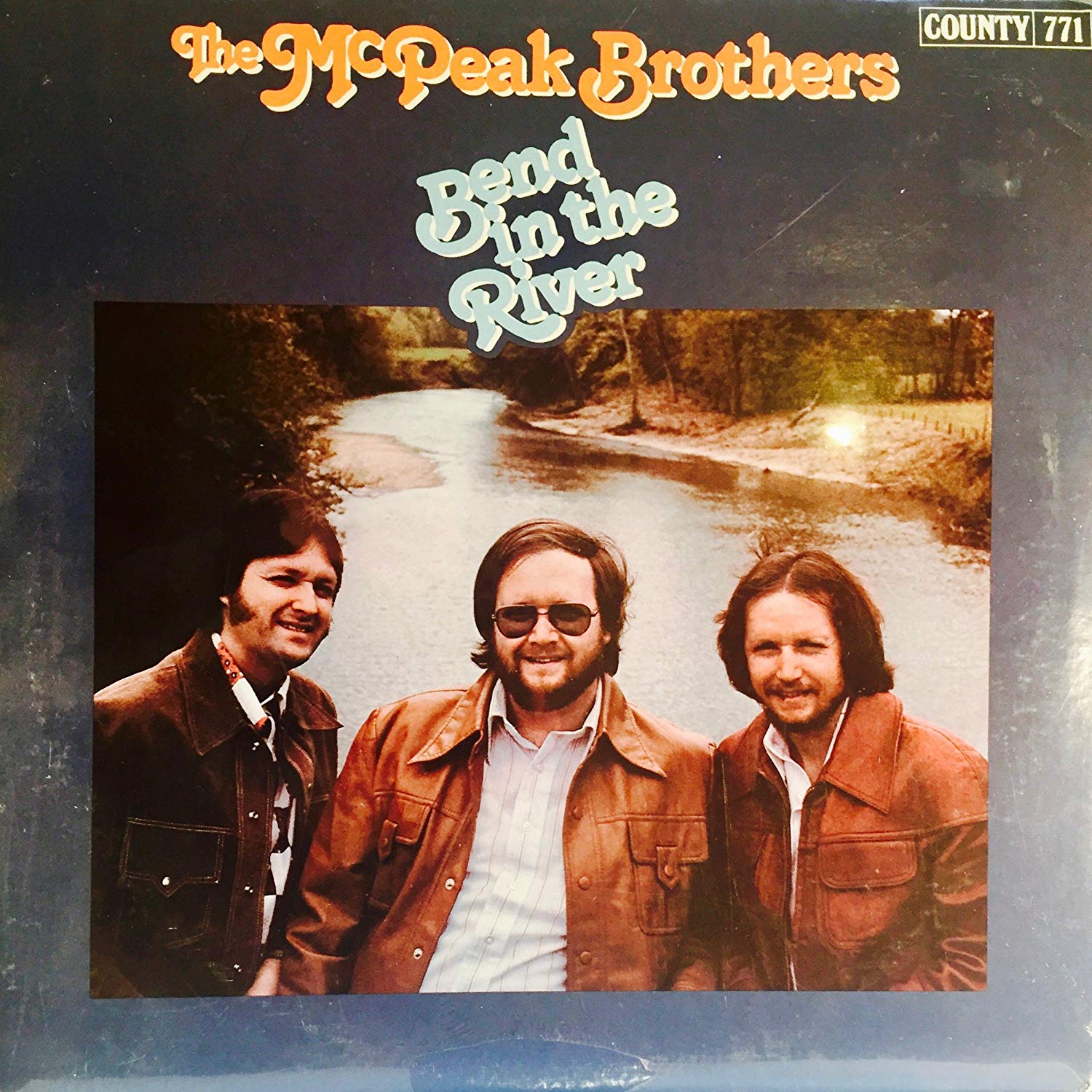
The first release came from Branscomb’s own band, Boot Hill, who made it the title track of their LP Steel Rails, recorded at Studio One in Nashville in February 1977 with Sam Sanger singing lead, Branscomb on banjo and Buddy Spicher on fiddle. The McPeak Brothers included it on Bend in the River (County, 1978).
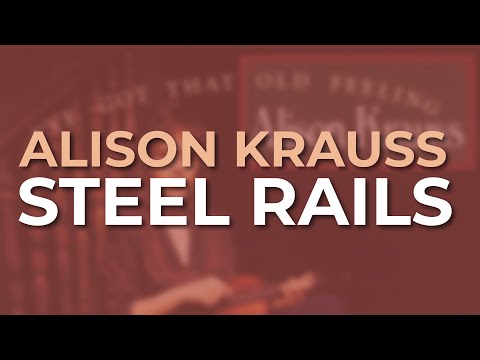
According to Branscomb, Alison Krauss heard the song on the Boot Hill album. Krauss recorded it for her second solo album, I’ve Got That Old Feeling (Rounder, 1990), singing lead and playing fiddle, with Jeff White on guitar and harmony, Stuart Duncan on mandolin, Jerry Douglas on Dobro and Dave Pomeroy on bass. Rounder later used it as the B-side of the 1992 Alison Krauss & Union Station single “New Fool.” Branscomb did not know about the recording until 1991, when she walked into the Station Inn in Nashville and Krauss told her the band had been trying to find her for two years. The Society for the Preservation of Bluegrass Music of America (SPBGMA) named it Song of the Year in 1991. Branscomb has recalled that festivals soon filled with young girls singing it the way Krauss did.
John Denver recorded “Steel Rails” for All Aboard! (Sony Wonder, 1997), a collection of railroad songs that was his last studio album. Denver died in a plane crash two months after its release, and the album won the Grammy for Best Musical Album for Children at the 40th Grammy Awards.