
Album
Musicians
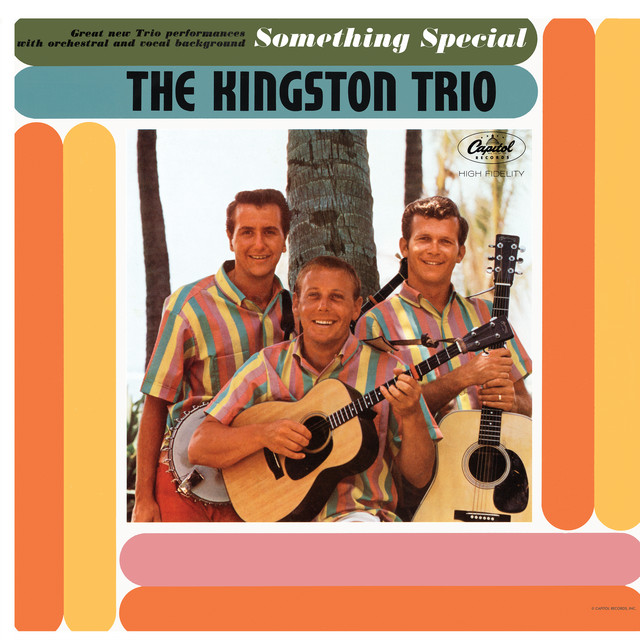
- Bob Shane — Vocals
- Nick Reynolds — Vocals
- John Stewart — Vocals
By:Scott Wiseman · Source Recording: Tony Rice (1993)Song details
In the days of the old covered wagon
Where they camped on the flats for the night
With the moon shinin' dim o'er the old canyon rim
They watched for that brown mountain light
High on the mountain
And deep in the canyon below
It shines like the crown of an angel
And fades as the mist comes and goes
Way over yonder
Night after night until dawn
A lonely old slave comes back from the grave
Searchin' searchin' searchin'
For his master who's long gone on
Many years ago a Southern planter
Came huntin' in this wide world alone
It was then so they say that the planter lost his way
And never returned to his home
His trusting ol' slave brought a lantern
And searched day and night but in vain
Now the ol' slave is gone but his spirit lingers on
And the lantern still casts it's light
That’s your free listen. With an account the band keeps going — this song and every other one, as many times through as you like, in any key, at any tempo. Free for 14 days, no card.
Start my free 14 daysClicks before the band comes in, so you start together.
Raises the tempo as the band goes round, so you build up speed.
The band goes quiet for a bar or two and you keep the time going.
By:Scott Wiseman · Source Recording:Tony Rice (1993)
Brown Mountain is a long, low ridge above the Catawba Valley near Morganton, North Carolina, at the edge of Linville Gorge, and for more than a century people have watched for lights that seem to rise and drift along it at night. Reports began appearing in print around 1912. The U.S. Geological Survey looked into them twice, in 1913 and again in 1922, and put them down to distant train and automobile headlights and brush fires, but by then the lights belonged to folklore. One of the stories told about them, published by the mid-1930s, was of a planter who went hunting in the mountains and never came home, and of the faithful slave who went out with a lantern to look for him and is still searching.
Scott Wiseman was born in 1909 in Spruce Pine, some thirty miles to the north. With his wife Lulu Belle he had been one of the biggest acts on Chicago’s WLS National Barn Dance, and he wrote “Have I Told You Lately That I Love You” and, with Bascom Lamar Lunsford, “Mountain Dew.” In “Brown Mountain Light” he set the legend to a story-song: travelers in covered wagons camped on the flats watch for the light, and the lyric tells who is carrying it — the old servant who searched in vain day and night, whose spirit lingers on and whose lantern still shines.
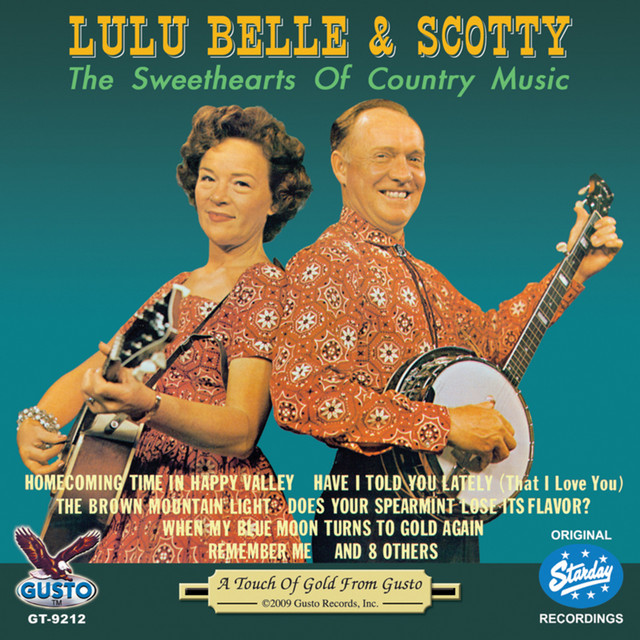
The song reached records in 1962 from two directions at once. The Kingston Trio, then the best-selling folk group in America, put it at the head of Something Special, cut for Capitol in April and released in July, with Jimmie Haskell’s orchestrations around Bob Shane, Nick Reynolds and John Stewart. Later that year Wiseman and Lulu Belle recorded it themselves for Starday’s The Sweethearts of Country Music in Arthur Smith’s Charlotte studio, Lulu Belle singing lead with Scotty on harmony. The Tennessee singer Hamper McBee recorded it with Guy Carawan the same year.
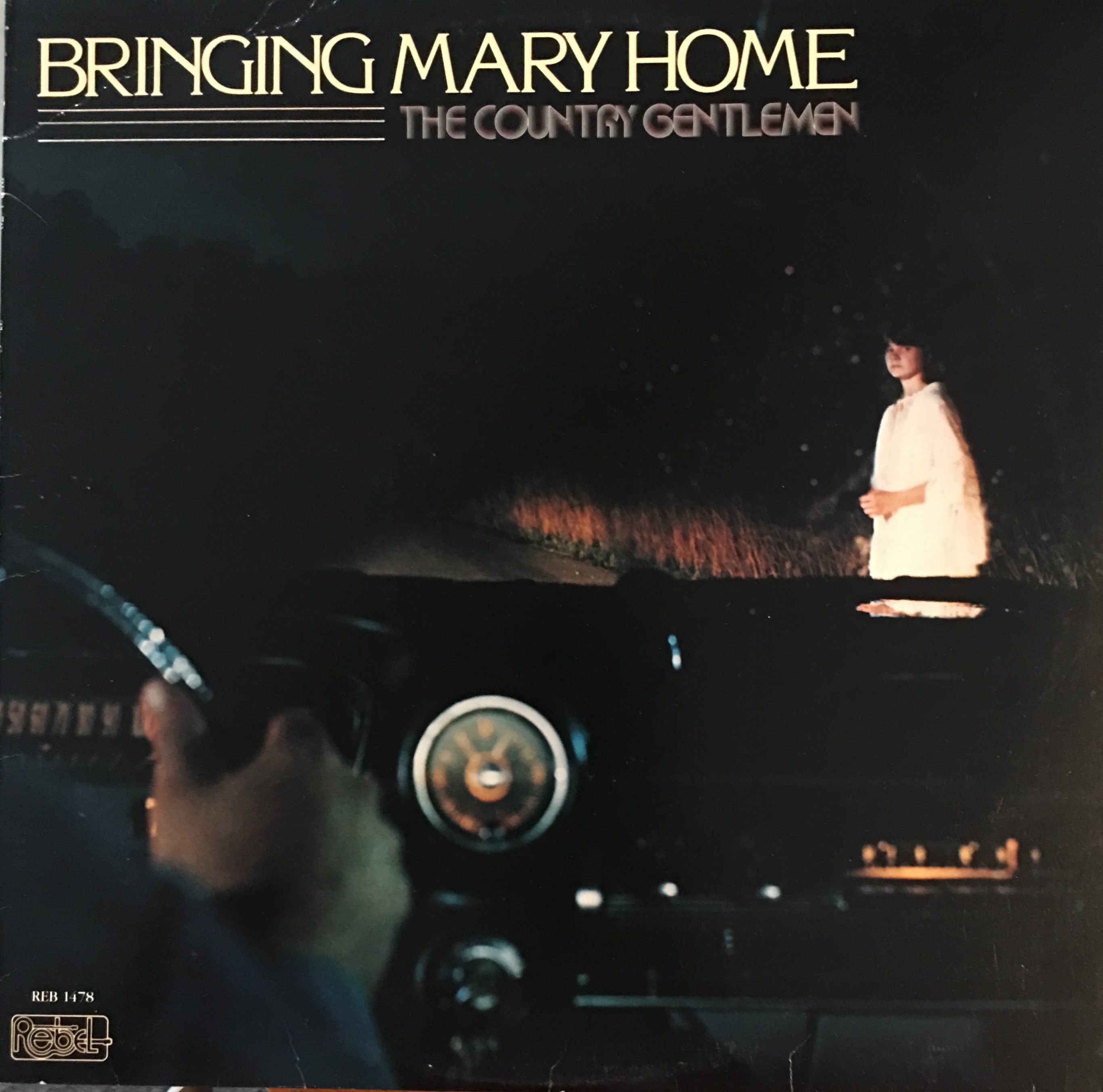
Bluegrass bands claimed it almost immediately. In 1963 the Hillmen — Vern Gosdin singing lead, his brother Rex on bass, Don Parmley on banjo and a young Chris Hillman on mandolin — cut it at World Pacific Studios in Hollywood, though the session stayed on the shelf until 1969. The Country Gentlemen recorded it in June 1964 in Falls Church, Virginia, with Charlie Waller singing lead, John Duffey tenor and Eddie Adcock baritone; that cut came out on Bringing Mary Home (Rebel, 1966), and a live version taped at the Folk Gallery Club in Syracuse that November surfaced on Folkways in 1973. It stayed in the Gentlemen’s repertoire for decades. Charlie Moore and the Dixie Partners recorded it for The Fiddler in 1975, with Moore opening on a spoken passage.
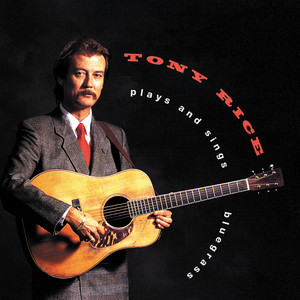
Tony Rice brought it back on Tony Rice Plays and Sings Bluegrass (Rounder, 1993), recorded at Bias Recorders in Springfield, Virginia. Rice sings lead and plays guitar, with his brother Larry Rice on mandolin and tenor, Bill Emerson — a founding member of the Country Gentlemen — on banjo and baritone, Jerry Douglas on dobro, Vassar Clements on fiddle and Mark Schatz on bass.
Reader notes on this song — corrections, sources, version lore, open questions. Contributions are public and signed.
No notes yet.
Sign in to add a note — free account.
Please choose a song.
Clicks before the band comes in, so you start together.
Raises the tempo as the band goes round, so you build up speed.
The band goes quiet for a bar or two and you keep the time going.
Loading chord chart…
Every song and every practice tool, free for 14 days. No card, nothing to cancel. Already have an account? Log in

Free for 14 days. No card needed.
Create an account and the whole thing is yours free for 14 days — every song in the catalog, every practice tool. No card needed.
Everything free for 14 days


Plus every chart in any key, playlists and printing.
Start my free 14 daysNo card, nothing to cancel.