“The Little Old Log Cabin in the Lane” was written in 1871 by Will S. Hays (1837–1907), a Louisville poet and lyricist credited with some 350 songs. He wrote it for the minstrel stage, in dialect: its narrator, presumably a slave or a former slave, is an old man passing his last years in a broken-down log cabin, and the title comes from the refrain.
The song was popular enough to draw answer songs, and its melody travelled further still. It carried “The Little Old Sod Shanty on the Claim” and “Little Joe, the Wrangler” out west, “The Little Red Caboose Behind the Train” onto the railroad, and the gospel hymn “The Lily of the Valley” into church.
Spencer & Ossman recorded it in May 1901, and the Metropolitan Quartet made a harmonized version in 1918. In June 1923 the Atlanta furniture dealer Polk Brockman, who distributed OKeh records, persuaded the label’s Ralph Peer to record the Georgia fiddler Fiddlin’ John Carson in Atlanta, and Carson sang and fiddled this song alone; OKeh 4890 coupled it with “The Old Hen Cackled and the Rooster’s Going to Crow.” It was one of the first commercial recordings by a rural white musician, and its popularity ensured that the record companies would go on recording rural folk songs. Riley Puckett recorded the song in March 1924, Uncle Dave Macon with Sid Harkreader that July, and Ernest V. Stoneman and His Dixie Mountaineers in September 1926.
As it was passed on, singers dropped Hays’s dialect and his reference to slavery, and the “old master and mistress” became the narrator’s own parents. In the version that bluegrass bands sing, the old man can no longer work, his mama and papa sleep side by side near the cabin, the chimney has fallen and the roof caved in, and his only friend left is his dog. The paths up the hill have grown over and the creek where they went to mill has dried up, and he waits for death to call him and the dog to a better home.
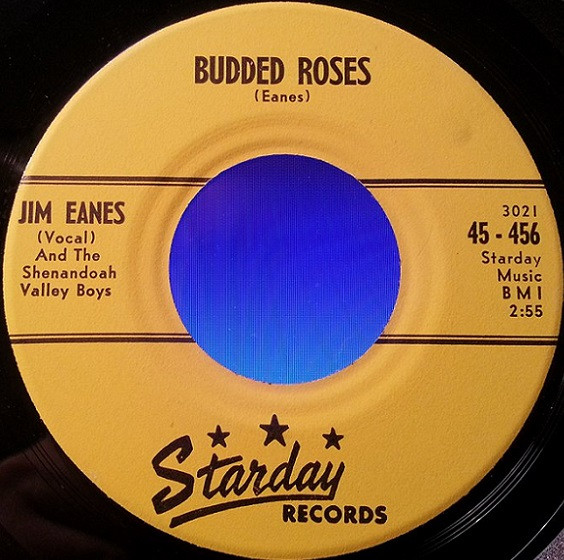
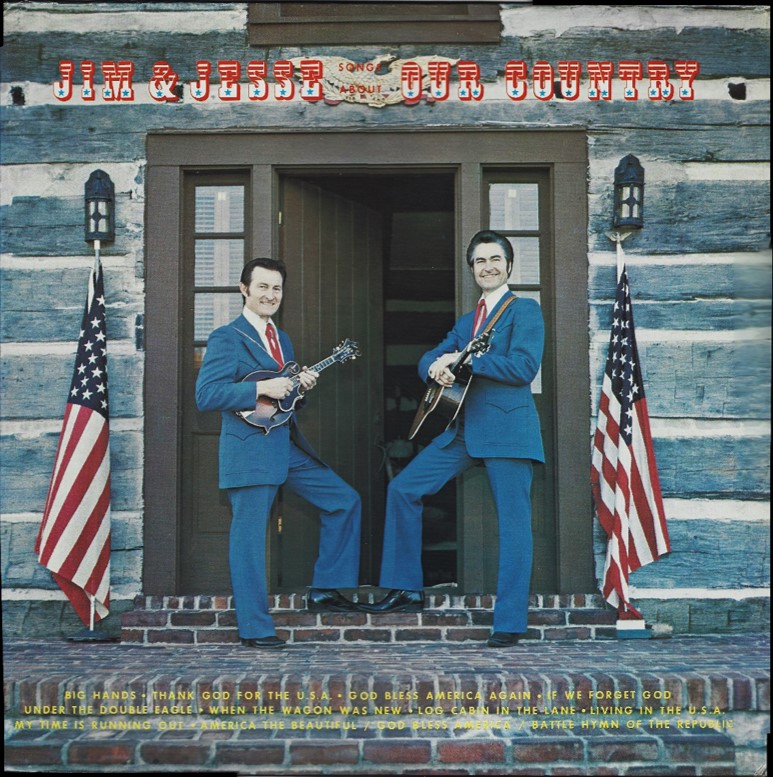
Jim Eanes recorded that version in July 1959 at radio station WHEE in Martinsville, Virginia, with Allen Shelton on banjo, Roy Russell on fiddle, Arnold Terry on guitar and Cliff Ragsdale on bass. Starday issued it that September on the back of Eanes’s “Budded Roses,” with the writer credit given to Eanes himself. Bill Keith and Jim Rooney put it on Livin’ on the Mountain in 1963. Bill Monroe and his Blue Grass Boys recorded it at the Columbia studio in Nashville on 3 November 1966, still crediting Eanes, with Peter Rowan on guitar, Lamar Grier on banjo, Richard Greene and Buddy Spicher on fiddles and James Monroe on bass; it was released in 1970 on Kentucky Blue Grass. That year Ernest Stoneman’s family band, the Stonemans, recorded it for RCA with Patsy Stoneman singing lead, this time credited to Hays, and Jim & Jesse included it on Songs About Our Country in 1976.