“East Virginia Blues” (Roud 3396) is a traditional Appalachian song, also called “East Virginia” or “I Was Born in East Virginia,” with no known author. It was printed in Cecil Sharp’s English Folk Songs from the Southern Appalachians, and it has been described as transitional between the older English-derived music and the American blues style. The words are made of verses that float from song to song; one of them turns up in “Wild Bill Jones.”
In the lyric the singer says he was born in East Virginia and went to North Carolina, where he courted a young woman named Molly, dark-haired and rosy-cheeked, without knowing her age. He asks her to go and ask her mother for permission to marry him, and she answers that she will not, because her mother lies on her bed with a dagger in her hand to kill the man she loves. He decides to go back to East Virginia and leave North Carolina alone, and ends by telling her she will always be welcome at his door.
The Kentucky banjoist Buell Kazee recorded it as “East Virginia” for Brunswick in 1927, coupled with “Darling Cora” on Brunswick 154. It was one of the most popular ballads among early rural recording artists. Clarence Ashley recorded it in 1929 under the title “Dark Holler Blues,” and the Carter Family issued “The East Virginia Blues,” coupled with “Happy or Lonesome,” on Bluebird B-5650 in 1934. The same melodic source is behind songs such as “Dark Hollow” and “Silver Dagger.”
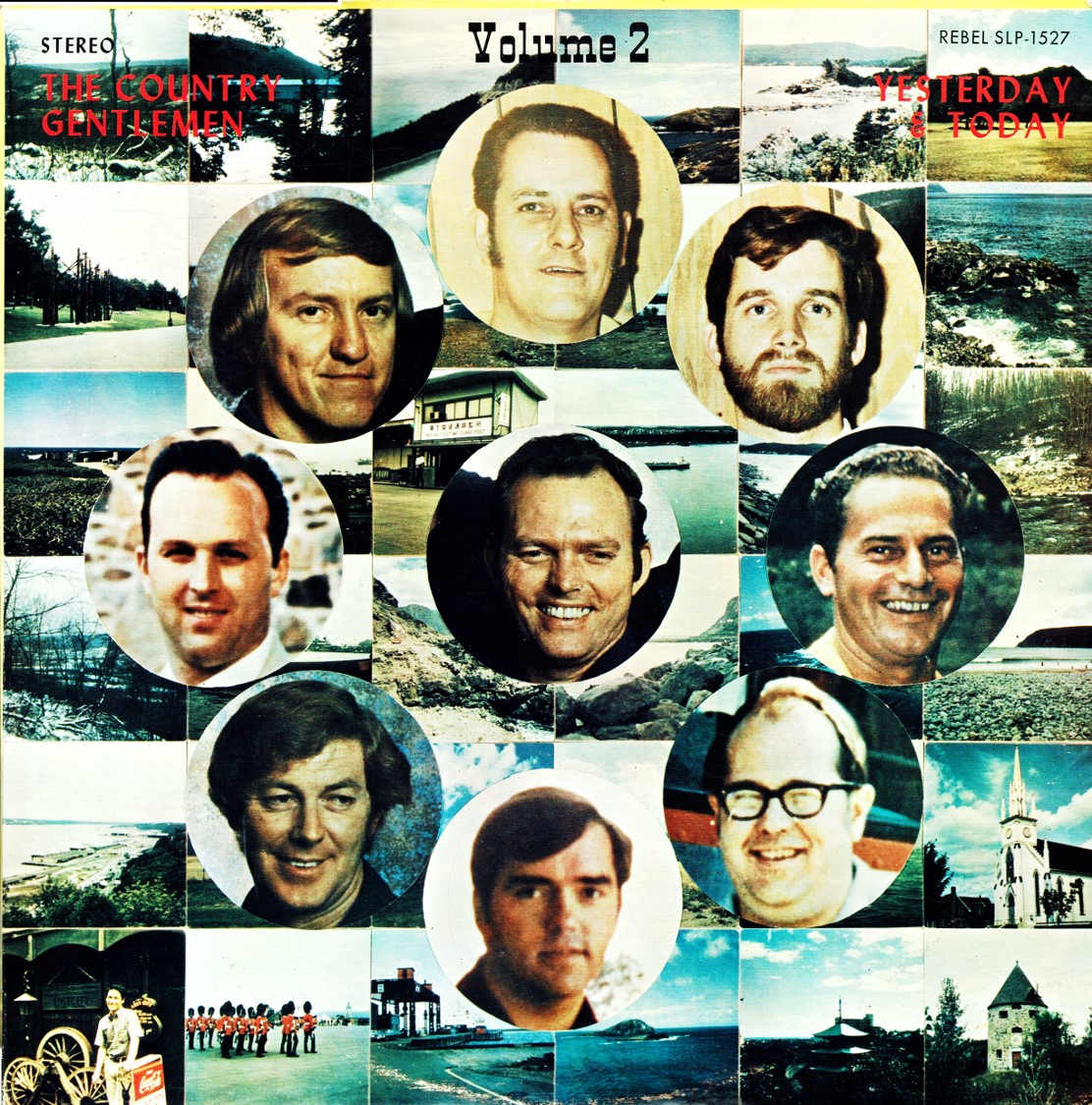
Bluegrass bands were recording it by the early 1960s, among them the Country Gentlemen (1962) and Ralph Stanley and the Clinch Mountain Boys, who included it on Old Time Music (Jalyn, 1968). Earl Scruggs issued a single of it, backed with “Lonesome Reuben,” on Columbia in 1971, and J. D. Crowe and the New South recorded it on New South Live (Trio, 1975).