“Reuben’s Train,” also sung as “Reuben,” “Old Reuben” and “Ruben,” is a traditional song and banjo tune from the Appalachian and southeastern United States, with no known author. It has no fixed story. The Traditional Ballad Index describes it as a loose set of verses that vary widely from singer to singer, most of them built around Reuben, his train, and a whistle you can hear a hundred miles away. The North Carolina banjo player and singer Frank Proffitt called it one of the oldest simple banjo tunes and the first tune most players learned, and said it had about fifty verses because everyone added their own. The Mount Airy fiddler and banjo player Tommy Jarrell said it was the first tune he learned. A hired hand named Cockerham played it on the Jarrell farm, then handed the boy the banjo and showed him the one string he needed to note.
The song is closely tangled with “Nine Hundred Miles.” Norm Cohen’s railroad-song study Long Steel Rail treats “Reuben’s Train,” “Train 45” and “900 Miles” in a single chapter that is mostly about how the songs mix. Fiddlin’ John Carson recorded “I’m Nine Hundred Miles From Home” in Atlanta on 27 August 1924 (OKeh 40196). The earliest record the Ballad Index assigns to “Reuben’s Train” itself is G. B. Grayson and Henry Whitter’s “Train 45,” recorded in 1927 for Gennett and issued on Victor 21189 in 1928. The Fiddler’s Companion treats Grayson’s tune as derived from “Reuben’s Train.” Other 78s followed: Emry Arthur’s “Reuben Oh Reuben” on Paramount around 1931, the Carolina Ramblers String Band’s “Ruben’s Train” in 1932, J. E. Mainer’s Mountaineers’ “Riding on Train Forty-Five” on Bluebird in 1937, and Wade Mainer and the Sons of the Mountaineers’ “Old Reuben” (Bluebird B-8990, 1941).
The verses commonly sung today run from Reuben’s train and its far-carrying whistle to a traveler who gets no letter from home and finds himself nine hundred miles away with his wife and child. A railroad-and-heaven couplet about a long steel rail and a short crosstie follows. Then comes Reuben’s end on the C&O line: his body is never found, only his head in the driver wheel, and the singer closes by threatening to start a graveyard of his own.
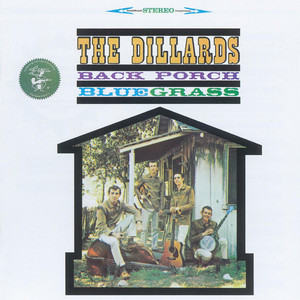
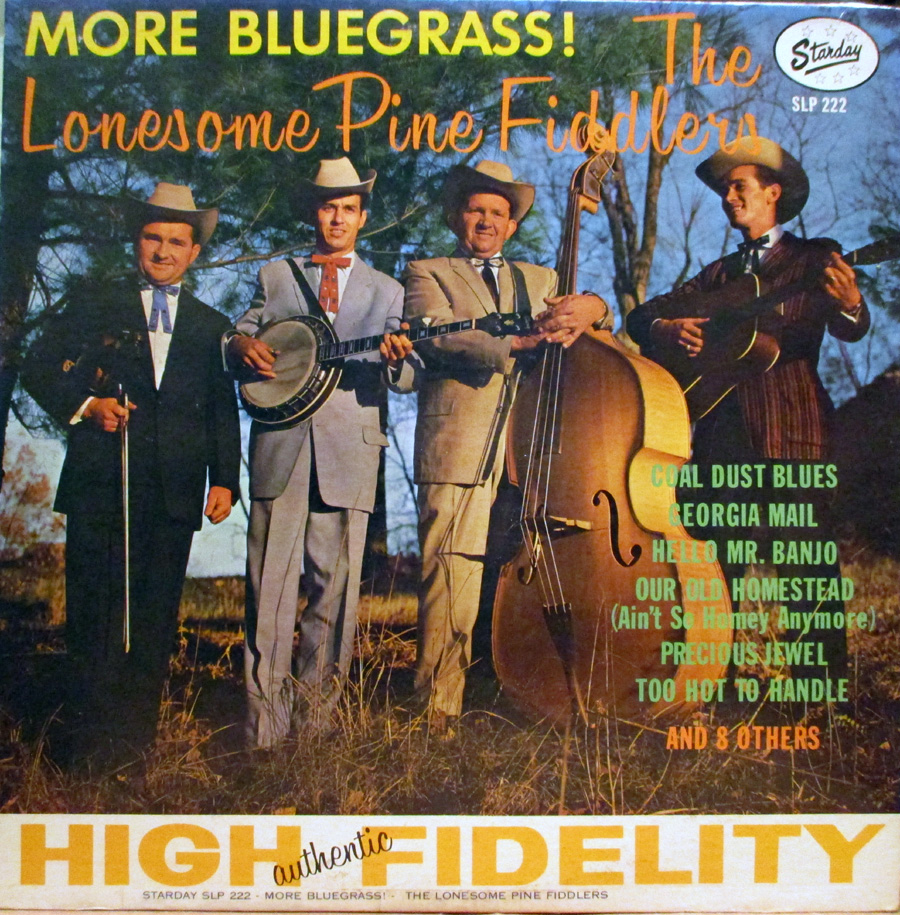
The folk revival brought the song to new audiences. Doc Watson sang “Old Ruben” on the Folkways album Old-Time Music at Clarence Ashley’s (1961). The Lonesome Pine Fiddlers recorded “Old Reuben” at Starday’s studio in Madison, Tennessee, on 24 November 1962 for More Bluegrass (Starday, 1963), with Melvin Goins on guitar, Ray Goins on banjo, Curly Ray Cline on fiddle and Ezra Cline on bass. The Dillards made “Reuben’s Train” a banjo instrumental for Doug Dillard on Back Porch Bluegrass (Elektra, May 1963).